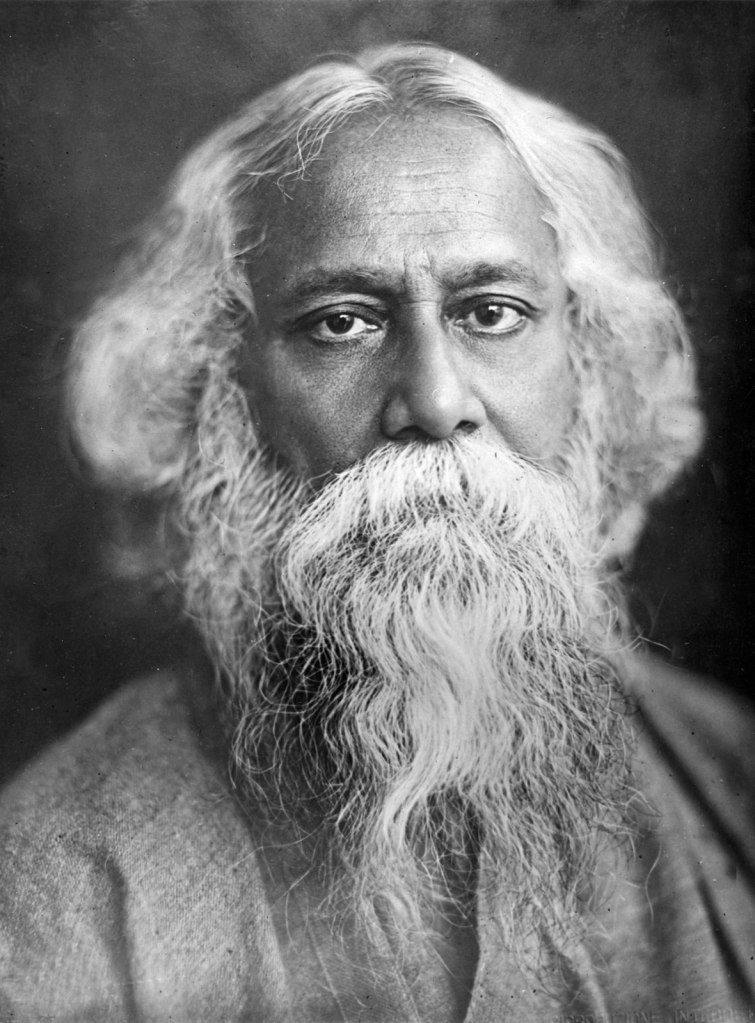
Rabindranath Tagore was born on 7 May 1861 in Calcutta (Present day- Kolkata, West Bengal). He was a great poet and author. Author of “profoundly sensitive, fresh and beautiful verse” of Gitanjali, he became the first non-European to win the Noble Prize in Literature in 1913. He wrote more than 100 short stories. Tagore easily intermix stark realism and poetic idealism in his stories which reflected the contemporary life in urban and rural life of Bengal. His many of the story portray tensions between the new and old, cruelty and sensitivity, male and female.
The story, “Kabuliwala” is narrated by the father of a five year old mini. Mini is sweet, talkative and innocent girl from Culcutta. She loves her father very much. Every day in their locality an Afghan based dry fruit seller, Rahmat comes to sell his dry fruits. One day she calls Rahmat and gets afraid of the hug bag which his was carrying. Later they both became friends and shares most of the time with each other. Besides all these, one day Rahmat (Kabuliwala) gets arrested and sentenced to jail for many years. After many years of jail, Kabuliwala comes to meet mini who is getting married now. Will she be able to recognize him? Why Kabuliwala is so eager to meet mini every day? Read the story to know.
“Samaaj ka shikar” is the story of the king’s son raised in palace. He never imagined that he would leave that luxury life and face the cruel reality of the forest. He heard the story of princess prisoner who goes to Shahzada to free her. Shahzada and princess fell in love with each other and got married. But how could the contractors of the religion tolerate that a grieving woman could get rid of the iron chain and lead a happy life. They send Shahzada to jail. After completing his punishment he found himself alone in the whole world. He was tired now. Who would serve this helpless wanderer? The child wonders in his mother’s lap and hears this story and thinks that, I am not that Shahzada.
“Patni ka patra” is story of woman expressing trouble and irritation through the letter to her husband. The letter reflects the difficulty of widows and the harsh reality of the society.
The story plot revolves around Mrinal, who is married to upper-class zamindar family as she is beautiful and not because of her intelligence. There, she meets Bindu who is a widow. The family urges Bindu to marry a mentally challenged man, she does that but eventually leaves him and comes back to Mrinal. Bindu cannot take that anymore and commits suicide. Mrinal is disturbed over the fact that woman is not treated well and finally leaves the place and writes a letter to her husband stating all this.
The great strength of Rabindranath Tagore’s writing is his ability to both inform and entertain. In addition to provide a fresh perspective, each story is well-written in a manner that audience feel engaged. I’d recommend this book to the beginners and will give it 4 stars out of 5.

















 Shreeya's Blog